"Wet/dry compartment" shows up on almost every gym bag listing now. Some bags mean a real, separate pocket. Some mean a plastic pouch thrown in the box. Here's what a wet compartment actually does, whether you need one, and what to look for.
What a Wet Compartment Is For
A wet compartment is a pocket that keeps damp, sweaty things away from everything else in your bag. Think training clothes, a used towel, swim gear, or a wet shaker cap.
The point is separation. Moisture spreads. A sweaty shirt packed against clean clothes, a laptop, or a notebook passes its moisture and smell to all of them. Give the damp things their own space and the rest of your bag stays dry and clean.
Who Actually Needs One
You'll get the most out of a wet compartment if you:
- Go somewhere straight after training, like work, class, or dinner, and carry clean clothes in the same bag.
- Train twice a day, so a bag is never fully emptied between sessions.
- Shower at the gym, and carry a damp towel and flip-flops home.
- Swim or do hot sessions, where everything comes out soaked.
- Carry a laptop or valuables in your gym bag.
If you train at home and your bag only ever holds a belt and a water bottle, you can probably live without one.
Wet Compartment vs. a Plastic Bag
A plastic bag works in a pinch. But it's easy to forget, it tears, and a sealed plastic bag of wet clothes left in a car is how gym bags end up smelling for good. A built-in wet pocket is always there, it's in the same place every time, and it's part of how the bag is organized, so you actually use it.
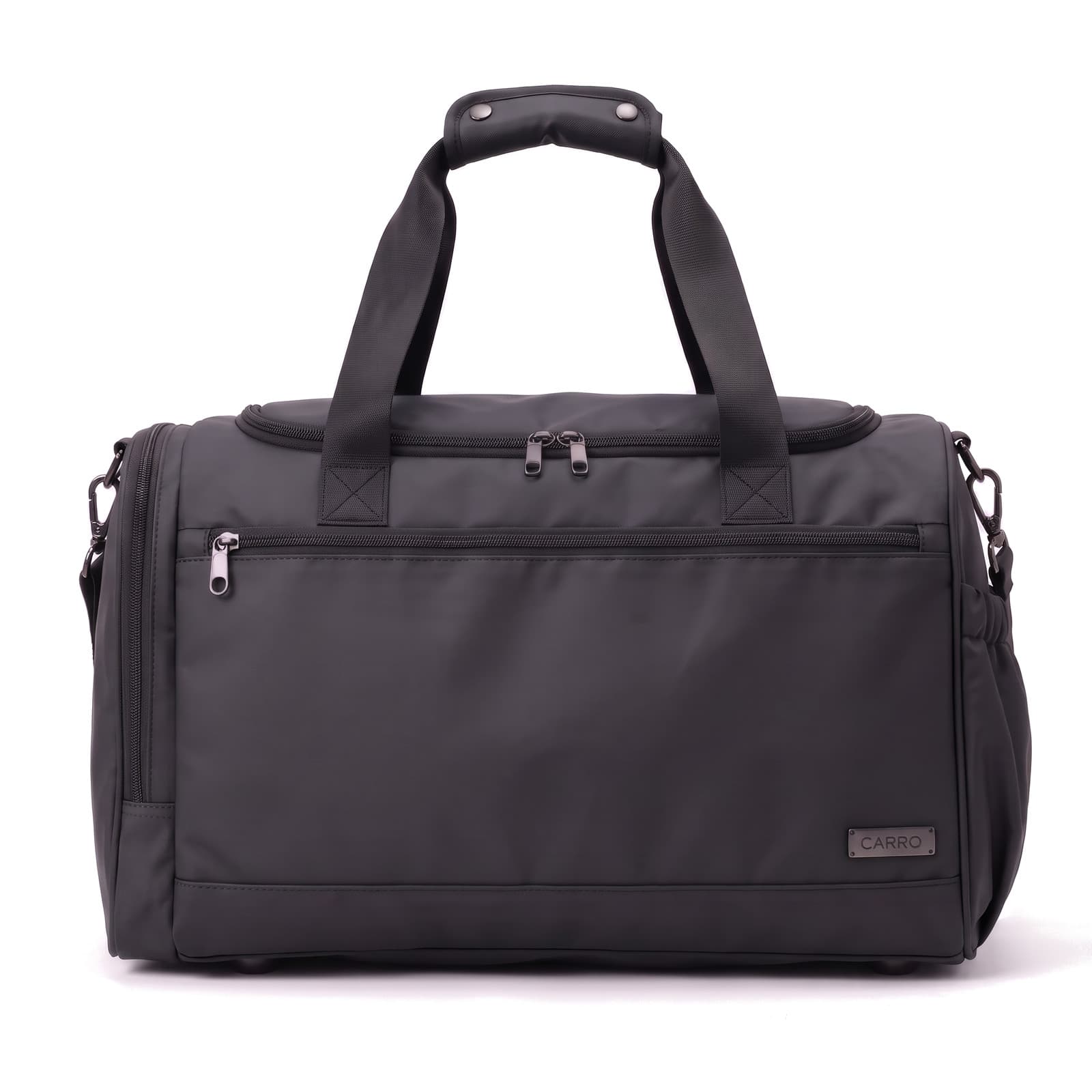
The Original has a separate wet-clothes pocket and an anti-odor lining. Shop The Original →
What to Look For
- A dedicated pocket, not an afterthought. It should be easy to reach and easy to empty.
- Separation from your valuables. An inside divider that keeps your laptop, wallet, and phone apart from your gear matters as much as the wet pocket itself.
- An anti-odor lining. Separation stops moisture spreading; the lining helps with the smell that's left.
- A water-resistant shell, so wet benches, rain, and spilled shakers don't soak in from the outside.
- Organized storage for the small things, like mesh lid pockets and zip pockets, so you're not digging past wet clothes to find your keys.
- Bottle pockets on the outside, so a leaking bottle can't reach your clothes.
Water-Resistant vs. Submersible
Most gym bags, including ours, are water-resistant. That means rain, splashes, and wet surfaces wipe off. It doesn't mean the bag can be submerged; only dry bags built for water sports are made for that.
How to Use It Well
- Pack it empty. The wet pocket should be empty on the way to the gym.
- Use it the moment you change. Don't stuff sweaty clothes in the main compartment "just for now."
- Empty it the same day. A wet pocket keeps the rest of the bag clean. It isn't storage.
- Air it out. Leave the pocket unzipped overnight after you empty it.
Bottom Line
If your gym bag ever carries clean clothes, a towel, or anything you care about, a real wet compartment earns its place. Pair it with a divider, an anti-odor lining, and a water-resistant shell, and keeping the gym in the gym stops taking effort.